
 Judith Engel
From Three to Six: Biodata Interest Group Publishes Expanded Memorandum of Understanding
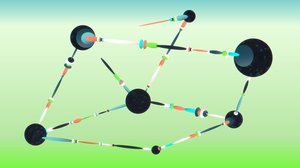
The Biodata Interest Group deepens the collaboration between now six NFDI consortia through a new MoU. Together, they aim to further develop services, infrastructures, and standards for biological research data.
The Biodata Interest Group within the German National Research Data Infrastructure (NFDI) continues to grow: With the publication of a new, expanded Memorandum of Understanding (MoU), six consortia are now strengthening their collaboration in the field of research data management for the biological sciences. Alongside the founding partners DataPLANT, NFDI4Biodiversity, and NFDI4Microbiota, the initiative now also includes FAIRagro, NFDI4BIOIMAGE, and NFDI4Objects.
The Biodata IG brings together consortia whose communities work with biological data — ranging from biodiversity and environmental data to molecular sequence data, imaging data, agricultural data, and material object data. Despite their different scientific focuses, the participating communities often face similar challenges: How can research data be stored sustainably, made findable and interoperable, and reused in the long term? Which infrastructures, standards, and services are needed to support this? And how can researchers best be supported in managing these tasks?
This is exactly where the Biodata IG comes in. The collaboration began in 2024 with an initial MoU between DataPLANT, NFDI4Biodiversity, and NFDI4Microbiota. Shortly afterwards, FAIRagro, NFDI4BIOIMAGE, and NFDI4Objects joined the initiative. With the newly published second MoU, this cooperation is now being formally expanded and strategically advanced.
The new MoU builds on previous joint activities and defines key areas for future collaboration between the Biodata consortia. These include:
- joint infrastructure and service development,
- coordinated helpdesk and support services,
- shared training and knowledge transfer formats,
- the further development of interoperable standards and workflows,
- joint scientific events and publications,
- as well as coordinated strategies for knowledge management and public outreach.
A particular focus lies on better connecting existing offerings. The consortia aim to make synergies more visible, avoid duplication of efforts, and facilitate access to research data management services for their communities.
Joint Conference in September
One important aspect of the collaboration is the joint advancement of infrastructure services for biological data. This includes cloud and storage solutions, as well as long-term perspectives for cross-consortium data spaces and services. Technical standards, ontologies, FAIR Digital Objects, workflows, and search services are also intended to be developed more collaboratively in the future.
In addition, training and community support play a central role. Numerous training courses, materials, and Open Educational Resources already exist across the participating consortia. These offerings are to be harmonized further, jointly developed, and made easier to discover. One visible example is the jointly organized Boosting Biodata Bootcamp Community Conference, which will take place in Aachen this September.
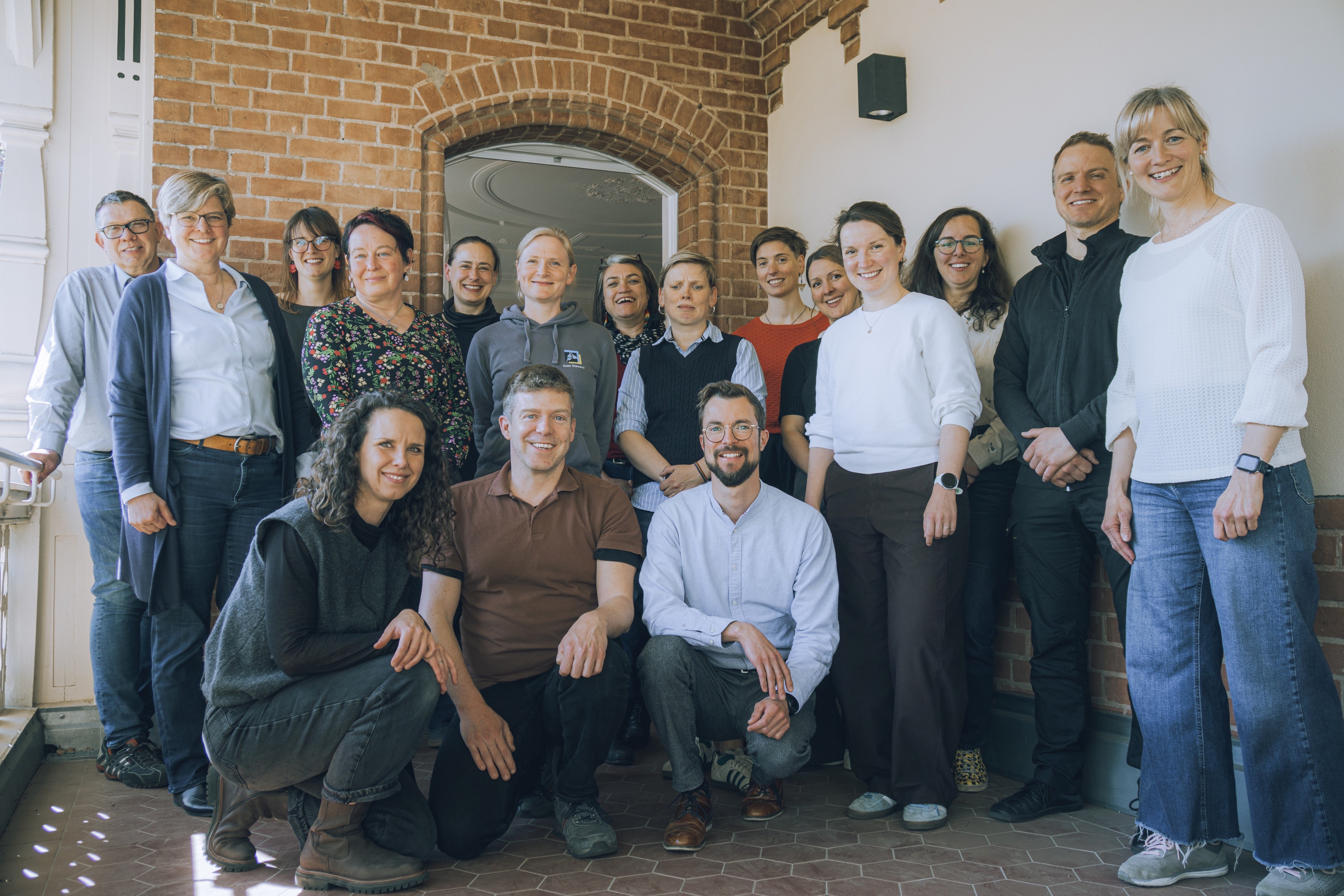
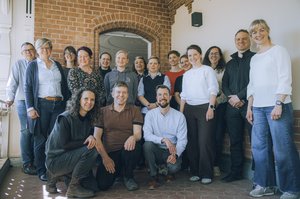
To further put the goals outlined in the MoU into practice, representatives of the six consortia met in April for their first joint in-person workshop at the Julius Kühn Institute in Berlin. Discussions focused on shared services, potential synergies, and the strategic development of future collaboration.
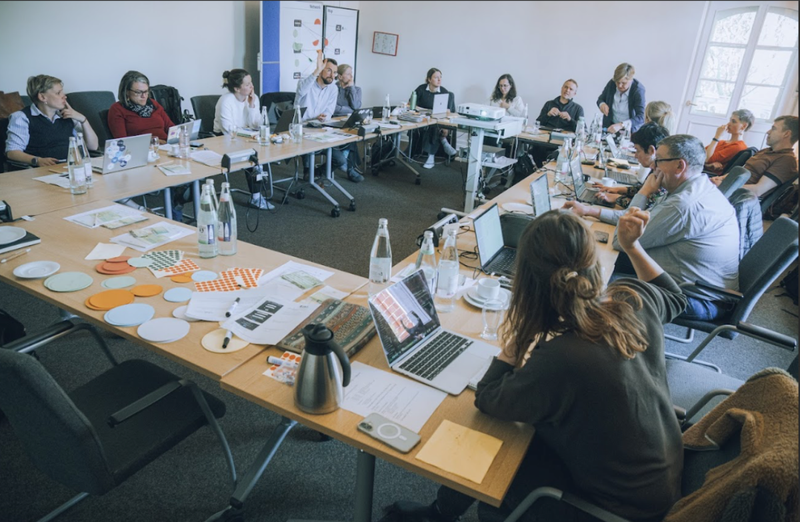
One key topic was the service landscape across the participating consortia: Who develops which tools and services? Which offerings can be reused or jointly expanded? Where are there still gaps for certain communities or data types? To address these questions, a comprehensive mapping of existing Biodata services is planned for 2026. This overview is intended to serve as both a shared orientation guide and a foundation for future collaborations.
Looking ahead, the participating consortia see the Biodata IG as an important building block for a more connected and sustainable NFDI. Especially in the context of current discussions surrounding the consolidation and long-term sustainability of the NFDI, closer collaboration between consortia is becoming increasingly important — not only to secure existing services in the long term, but also to better integrate new research communities and data domains.
With the expanded MoU, the Biodata IG therefore sends a strong signal in support of greater cooperation, interoperability, and shared infrastructure development within the life sciences.
The full MoU and additional background information can be found here.


News
From Volunteer Fish Observations to an Internation...
A Long-Term Future for NFDI: Transition to Permane...
BIIGLE4Beginners: A New Online Tutorial for Image ...
Open Data, Shared Responsibility: New Guidance Sho...

Historical Biodiversity Dataset Receives FAIRest D...
CloWM Joins the NFDI4Biodiversity Service Catalog ...
From Three to Six: Biodata Interest Group Publishe...
"Creating knowledge without data is impossible"

NFDI4Biodiversity Flexfunds: Three Projects Show H...