
 Katharina Frohne
"Creating knowledge without data is impossible"
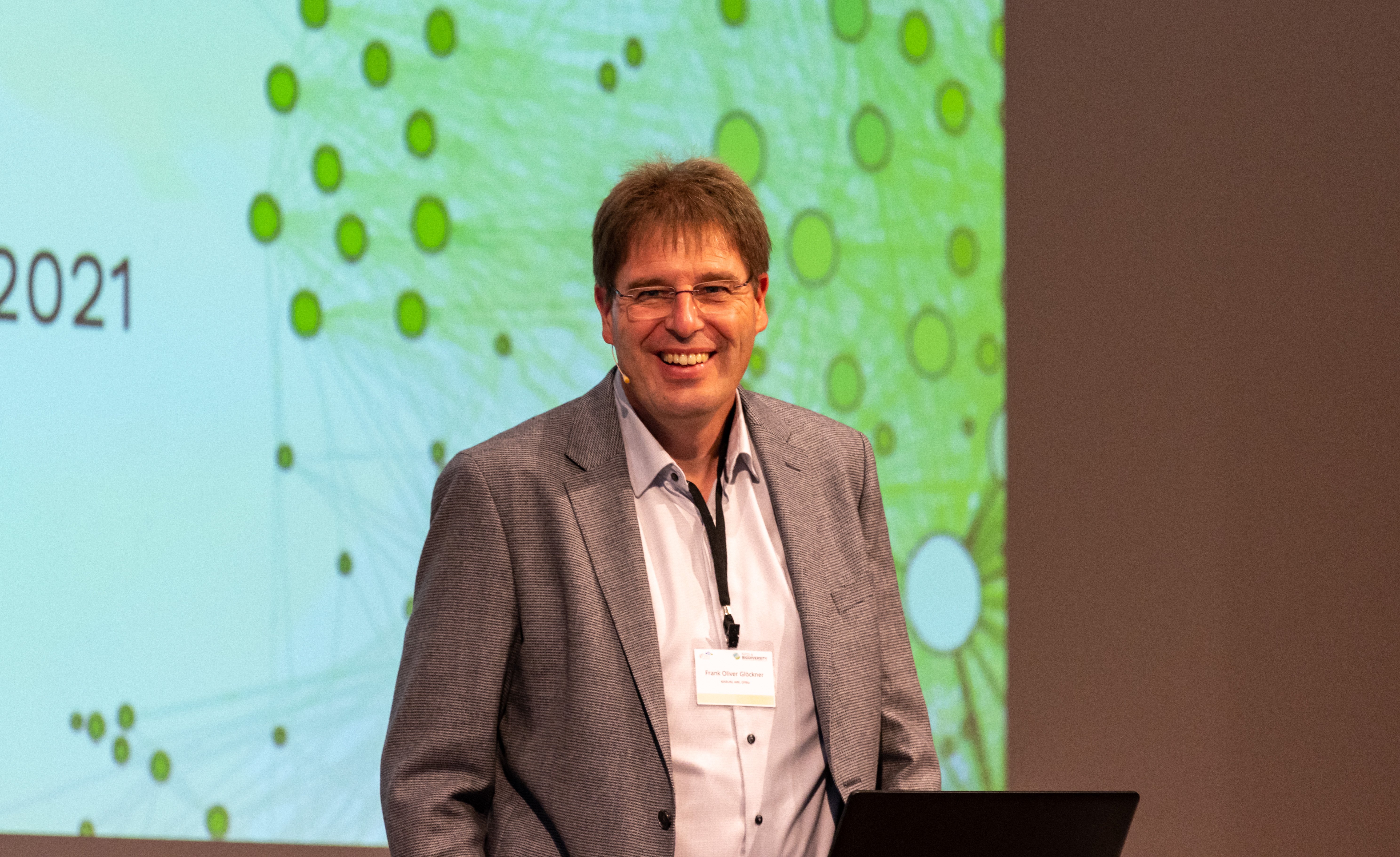
From the principle of “my experiment, my data” to shared, reusable bodies of knowledge: an interview with Frank Oliver Glöckner (NFDI4Biodiversity) and Astrid Nieße (NFDI4Energy) highlights why a cultural shift is needed in how data are understood and used.
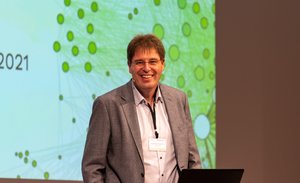
An insightful interview published at the end of April on the blog of Carl von Ossietzky Universität Oldenburg explores how scientific practice in handling data is evolving. Astrid Nieße (University of Oldenburg, OFFIS), spokesperson for NFDI4Energy, and Frank Oliver Glöckner (University of Bremen, Alfred Wegener Institute), spokesperson for NFDI4Biodiversity, speak with editor Deike Stolz about the role of the National Research Data Infrastructure (NFDI) and the growing importance of data for research. Glöckner articulates a fundamental insight: "Creating knowledge without data is impossible." Accordingly, he views the NFDI as an infrastructure intended “[…] to enable science in the first place”—especially in data-intensive fields such as biodiversity research.
The transformation driven by the NFDI, however, must not be purely technical; it also needs to be cultural. “The common good is paramount,” says Glöckner, who advocates for making data—and particularly metadata—accessible at an early stage: “[…] because data without contextualizing metadata are completely useless.”
The relevance of these issues became evident recently through Glöckner’s work as head of PANGAEA, an open repository for georeferenced environmental and Earth system data. Together with colleagues from other institutions, he actively supported efforts to secure valuable data collections from the United States that were at risk of being lost due to political budget cuts and structural interventions by the Trump administration. This case once again highlighted how dependent research data often still are on individual institutions and projects—and how essential it is to free data from such dependencies, preserve them in reliable repositories, and ensure their long-term availability.
You can find the full interview here.



News
From Volunteer Fish Observations to an Internation...
A Long-Term Future for NFDI: Transition to Permane...
BIIGLE4Beginners: A New Online Tutorial for Image ...
Open Data, Shared Responsibility: New Guidance Sho...
Historical Biodiversity Dataset Receives FAIRest D...
CloWM Joins the NFDI4Biodiversity Service Catalog ...
From Three to Six: Biodata Interest Group Publishe...
"Creating knowledge without data is impossible"

NFDI4Biodiversity Flexfunds: Three Projects Show H...